What Is “SEO-Friendly Web Design”?
SEO-friendly design means building each page so that humans and search engines can both understand it at a glance. The approach includes:
- Clean, semantic HTML that highlights headings, images, and calls to action.
- Mobile-first layouts that adjust smoothly on phones, tablets, and desktops.
- Logical site architecture that lets crawlers reach every key page in three clicks or fewer.
- Optimised media that loads fast without losing visual quality.
- Structured data (schema) that helps Google display rich snippets.
How Web Design Elements Shape Search Rankings
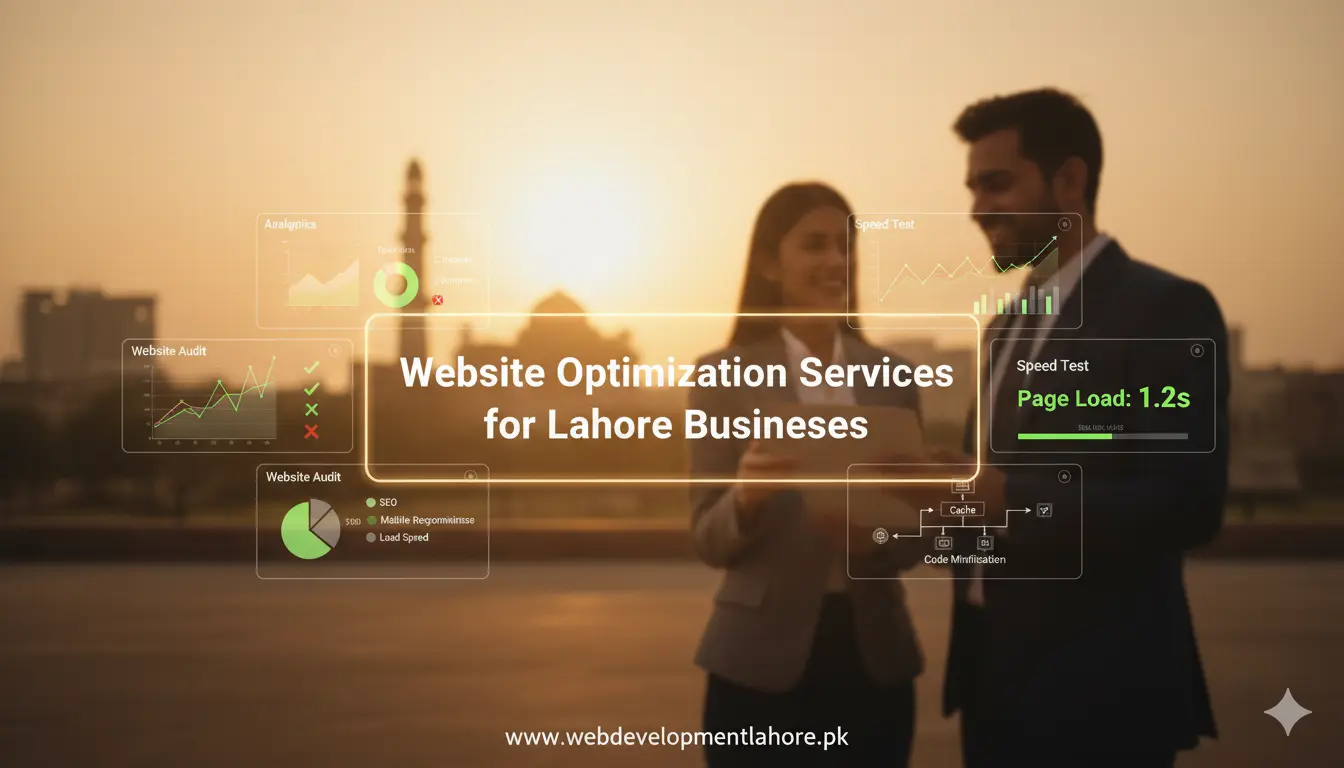
- Page speed. Google’s Core Web Vitals measure loading, interactivity, and stability. Compressing images, using modern formats, and minimising scripts all boost scores.
- Mobile responsiveness. Since Google switched to mobile-first indexing, a desktop-only design drops in visibility.
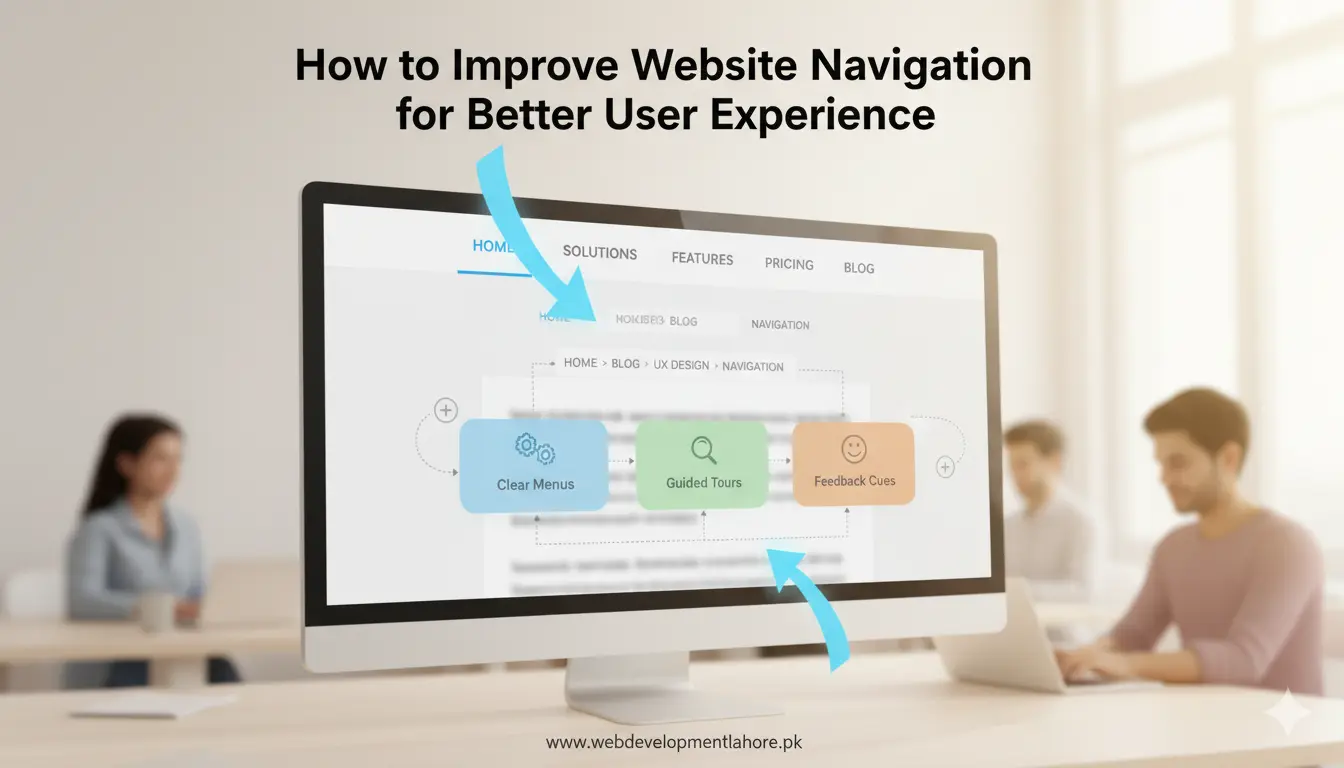
- Navigation structure. Breadcrumbs, internal links, and a clear hierarchy help both visitors and bots understand content relationships.
- Accessibility. Alt tags, proper contrast, and keyboard navigation improve user trust and can influence dwell time and bounce rate.
- Security. HTTPS is now a confirmed ranking signal. Browsers flag non-secure sites, pushing users away.
- User engagement signals. A well-designed page often sees longer sessions and more clicks, letting Google know that the result satisfies intent.
User Experience and SEO Now Share One Goal
A decade ago, designers focused on looks while SEOs chased keywords. In 2026, those silos are gone. If a site is hard to read, loads slowly, or buries its main message, users leave quickly. Google’s RankBrain and machine-learning algorithms detect that exit and push the page down. Good design therefore is good SEO. A clear layout, readable fonts, and concise copy help a visitor—and the search engine crawler—understand the purpose of each page within seconds.
Local SEO: Designing for Lahore Audiences
For companies targeting Lahore or wider Punjab, location signals must appear naturally across design elements:
- Contact blocks with “Lahore, Pakistan” in the footer and header.
- Clickable phone numbers such as +92 323 958 7877 for quick mobile calls.
- Google Map embeds that load responsively.
- Content sections using phrases like “web design in Lahore” and “SEO services Lahore” where relevant, never stuffed.
- Schema markup for
LocalBusinessto highlight address, opening hours, and service areas.
Design Mistakes That Quietly Hurt SEO
- Heavy hero videos that autoplay and block the first paint.
- Endless scrolling without proper pagination, making deep content invisible to crawlers.
- Image-only menus. Search engines cannot read text inside pictures.
- Duplicate H1 tags or missing heading hierarchy.
- Pop-ups that cover content on mobile screens, triggering Google’s intrusive interstitial penalty.
Six Steps to Build an SEO-First Website
- Research intent. Identify the questions your audience types into Google and group them by topic clusters.
- Plan site architecture. Sketch a silo structure where each main service page links to detailed sub-pages and supporting blog posts.
- Create wireframes. Place above-the-fold copy, CTAs, and visual elements to support that structure.
- Write on-page copy. Insert focus and related keywords naturally in titles, meta descriptions, first paragraphs, and ALT text.
- Develop with performance in mind. Use lazy loading, modern image formats like AVIF, and minified CSS/JS.
- Test, measure, refine. Use Lighthouse, Search Console, and real-user monitoring. Fix any Core Web Vitals flagged in red.
Case Snapshot: From Page Five to Page One in Nine Months
A Lahore fashion retailer came to WDL last year with a slow Magento site stuck on page five for “designer kurtas in Lahore.” After migrating to a lightweight headless setup and rebuilding templates with SEO-friendly code, we cut average load time from 7.2 s to 1.8 s. We added structured data for products and improved internal linking. By Q2 2026, the store reached position four on page one and saw organic traffic rise 138 % year-on-year. The design changes alone accounted for 70 % of that uplift; no paid ads were running during the test period.
Why Choose Web Development Lahore for Your SEO-Friendly Web Design
Many agencies promise rankings; few link design, content, and technical SEO under one roof. Web Development Lahore offers:
- Integrated team. Designers, SEOs, and developers sit together in our Lahore office, so no task slips through gaps.
- Transparent process. We share performance dashboards and plain-language reports each month.
- Future-proof builds. Our code follows Google’s latest guidelines and W3C standards, protecting your investment beyond 2026.
- Full IT support. From hosting to CRM integration, you deal with one partner, not five vendors.
Ready to rank higher? Call us at +92 323 958 7877 or visit webdevelopmentlahore.pk for a free site audit.
Key Takeaways
- SEO-friendly web design improves rankings because Google measures user experience signals.
- Fast loading, mobile responsiveness, and clear structure are now basic requirements, not extras.
- Local elements like address schema and Lahore-specific keywords boost visibility for regional searches.
- Avoid heavy media, intrusive pop-ups, and messy code—they sabotage both users and crawlers.
- Partnering with an agency that unites design and SEO, such as WDL, speeds up your path to page-one results.